


Ievads krāsu stieptās plēves testā
The Krāsainas stiepes plēves tests ir būtisks iepakojuma nozares novērtējums, jo īpaši attiecībā uz stretch plēvēm, ko izmanto produktu nostiprināšanai un iesaiņošanai pārvadāšanai un uzglabāšanai. Stretch plēves ir dažādu krāsu un sastāvu, un to veiktspēja ir jāpārbauda, lai nodrošinātu, ka tās atbilst nepieciešamajiem izturības un ilgizturības standartiem.
Šajā rakstā tiek pētīts plastmasas stiepes izturības tests, koncentrējoties uz Krāsainas stiepes plēves tests un tās nozīmi augstas kvalitātes iepakojuma risinājumu nodrošināšanā. Mēs apspriedīsim arī svarīgus testēšanas standartus, piemēram. ASTM D882, kuros sniegtas pamatnostādnes, kā novērtēt plēves stiepes izturība un pagarinājums.
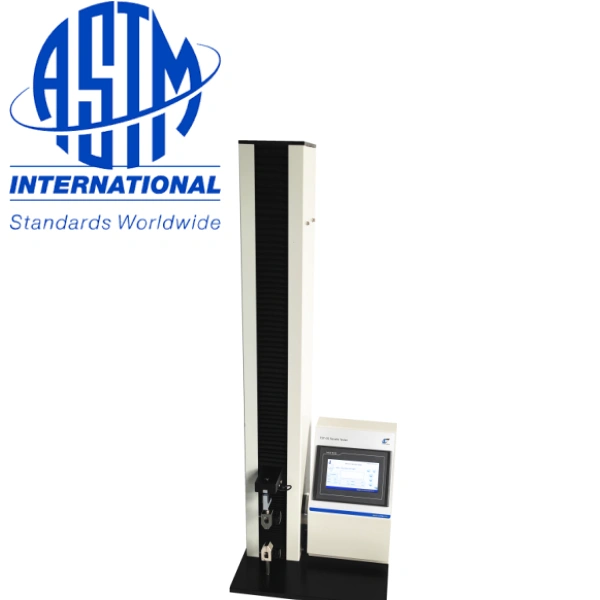
Plastmasas stiepes izturības testa nozīme
The plastmasas stiepes izturības tests izmanto, lai novērtētu, cik izturīga ir plastmasas plēve, kad tā tiek izstiepta. Tas ir īpaši svarīgi stiepjamās plēves, jo to galvenā funkcija ir cieši izstiept un noturēt produktus, vienlaikus saglabājot izturību uzglabāšanas un transportēšanas laikā.
Testa darbība:
- Testa iestatīšana: Paraugs stiept plēvi tiek sagatavota noteikta izmēra un ievietota stiepes testēšanas iekārtā. Pēc tam plēvi velk ar kontrolētu ātrumu, līdz tā pārtrūkst.
- Veiktie mērījumi: Testa laikā gan stiepes izturība (spēks, kas vajadzīgs, lai plēvi pārrautu) un pagarinājums (cik lielā mērā plēvi var izstiept). Šie parametri ir ļoti svarīgi, lai noteiktu plēves piemērotību dažādiem lietojumiem.
Šis tests nodrošina, ka krāsaina stiepjoša plēve ir pietiekami izturīgs, lai labi izturētu lietošanas laikā radīto slodzi un nodrošinātu uzticamu iepakoto preču aizsardzību.
ASTM D882: Standarta stiepes īpašību tests
ASTM D882-18 ir standarta testēšanas metode plānas plastmasas loksnes stiepes īpašību mērīšanai, tostarp. stiepjamās plēves. Šī metode ir plaši atzīta iepakojuma nozarē, lai novērtētu stiepes izturība, pagarinājums, un citas plastmasas plēvju kritiskās īpašības.
ASTM D882 galvenie elementi:
- Stiepes izturība: Maksimālais spēks, ko krāsaina stiepjoša plēve var izturēt pirms salūšanas. Šī īpašība ir būtiska, lai nodrošinātu, ka plēve izturēs slodzi iepakošanas procesā.
- Pagarinājums pie pārrāvuma: Plēves izstiepšanās pirms plēves plīsuma, izteikta procentos no sākotnējā garuma. Šis mērījums ir svarīgs, jo tas norāda plēves elastību un tās spēju pielāgoties iesaiņojamo priekšmetu formai.
- Elastības modulis: Ar to mēra plēves stingrību. Lielāks modulis norāda uz cietāku materiālu, bet mazāks modulis norāda uz lielāku elastību.
- Testa apstākļi: ASTM D882 sniedz precīzas vadlīnijas par to, kā sagatavot paraugu, kādos apstākļos jāveic tests un kāds aprīkojums ir nepieciešams. Ievērojot šos standartus, ražotāji var nodrošināt, ka krāsaina stiepjoša plēve darbojas konsekventi un droši.
Kā stiepes plēves novērtēšanā palīdz pagarinājuma tests
The pagarinājuma tests ir būtiska daļa no krāsainas izstiepjošās plēves tests, jo ar to mēra, cik daudz plēve var izstiepties, pirms plēve pārtrūkst. Šī īpašība ir īpaši svarīga iepakošanas nozarē, kur elastīgajai plēvei ir cieši jāpielāgojas produkta formai, to nesaraujot un nesaplēšot.
Pagarinājuma nozīme stiepes plēvēs:
- Izstiepjamība: Augstas kvalitātes stiepes plēves galvenā īpašība ir spēja izstiepties bez plīsumiem. Plēvi ar labām pagarināšanas īpašībām var izstiept, lai to varētu izstiept ap neregulāras formas priekšmetiem bez plīsumiem.
- Izturība: Plēve, kas var ievērojami izstiepties, pēc izstiepšanas spēka noņemšanas atgriežas savā sākotnējā formā, tāpēc tā ir ļoti piemērota drošai preču iesaiņošanai.
Veicot pagarinājuma testi kā daļu no Krāsainas stiepes plēves tests, ražotāji var nodrošināt, ka to ražotās plēves ir pietiekami izturīgas un elastīgas dažādiem iepakojuma lietojumiem.
Plēves stiepes izturības nozīme iepakojumā
Plēves stiepes izturība ir būtisks elastīgo plēvju izturības un veiktspējas rādītājs. Krāsainas stieptas plēves parasti tiek izmantoti iepakojumā, kur nepieciešama redzamība un izturība. Plēve ar augstu stiepes izturību nodrošina, ka tā spēj izturēt iesaiņošanas slodzi, tostarp pārvadāšanas un uzglabāšanas laikā radušos slodzi.
Galvenās priekšrocības, ko sniedz augsta stiepes izturība stiepes plēvēs:
- Aizsardzība tranzīta laikā: Filma ar atbilstošu stiepes izturība var novērst produktu pārvietošanos pārvadāšanas laikā, pasargājot tos no bojājumiem.
- Kravas noturības jauda: Spēcīgas elastīgas plēves var droši noturēt smagākas kravas, samazinot produkta bojājumu risku.
- Izturība: Augsta stiepes izturība nodrošina, ka stiept plēvi saglabā integritāti visā piegādes ķēdes procesā.
Secinājums: Kādēļ krāsainās stiepes plēves tests ir ļoti svarīgs?
The Krāsainas stiepes plēves tests ir izšķiroša nozīme, lai nodrošinātu iesaiņošanai izmantoto stretch plēvju uzticamību un veiktspēju. Pārbaudot tādas īpašības kā stiepes izturība, pagarinājums, un plēves modulis, ražotāji var nodrošināt, ka to krāsainas stieptas plēves ir pietiekami izturīgi, elastīgi un izturīgi, lai atbilstu mūsdienu iepakojuma prasībām.
Plkst Šūnu instrumenti, mēs piedāvājam uzlabotas stiepes pārbaude iekārtas, kas paredzētas, lai nodrošinātu precīzus un precīzus mērījumus krāsainas stieptas plēves un citiem plastmasas materiāliem. Mūsu stiepes testeri spēj veikt testus saskaņā ar ASTM D882, nodrošinot, ka jūsu produkti atbilst nozares standartiem.
Ja meklējat uzticamus, augstas kvalitātes testēšanas risinājumus, mūsu instrumenti var palīdzēt novērtēt jūsu izstrādājumu izturību un elastību. stiepjamās plēves, nodrošinot, ka tie nodrošina vislabāko veiktspēju jūsu iepakojuma vajadzībām. Sazinieties ar Šūnu instrumenti šodien, lai uzzinātu vairāk par mūsu testēšanas risinājumiem.

 Bulgarian
  Czech
Czech  Danish
  Greek
Greek  Estonian
  Finnish
  Hungarian
  Indonesian
  Lithuanian
  Norwegian
  Dutch
Dutch  Polish
  Romanian
  Slovak
  Slovenian
  Swedish
  Turkish
  Ukrainian
  Hebrew
  Thai
Thai  Vietnamese
  Afrikaans
  Amharic
  Moroccan Arabic
  Azerbaijani
  Belarusian
  Bengali
  Bosnian
  Welsh
Welsh  Persian
  Gujarati
  Hindi
Hindi  Croatian
  Armenian
  Kazakh
  Uzbek
Uzbek  Serbian
  Albanian