


Úvod
Zkoušky polymerů v tahu jsou důležitým procesem, který se používá k hodnocení mechanických vlastností plastových materiálů. Tato zkouška má zásadní význam pro určení toho, jak se bude polymer chovat při namáhání a deformaci, a poskytuje cenné informace o jeho trvanlivosti a celkové pevnosti. Mezi různé normy používané pro testování polymerů patří např, ASTM D638 je jednou z nejuznávanějších metod hodnocení tahových vlastností plastů.
Tento článek se zabývá tahové zkoušky polymerů, se zaměřením na ASTM D638 standard, který se běžně používá k měření vlastností, jako je např. mez kluzu, pevnost v tahua celkový tahové vlastnosti plastů.
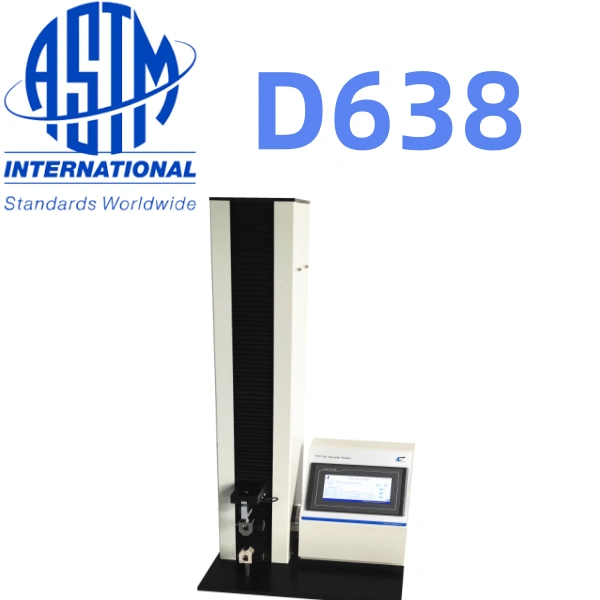
Co je to tahová zkouška polymerů?
Zkouška tahem je proces působení jednoosé síly na materiál, typicky na plastový vzorek, dokud nedojde k jeho selhání (zlomení nebo deformaci). Cílem této zkoušky je posoudit, jak se materiál chová při namáhání a deformaci, a změřit jeho schopnost roztažení nebo odolnosti proti prodloužení před porušením.
Hlavní parametry měřené v tahové zkoušky zahrnují:
Prodloužení při přetržení: Procentuální nárůst délky, který materiál vydrží, než se přetrhne, což udává jeho tažnost a schopnost se protáhnout bez porušení.
Pevnost v tahu: Maximální napětí, kterému materiál odolá, aniž by došlo k jeho poruše. Tato vlastnost je rozhodující pro určení toho, jak se bude materiál chovat při působení vnějších sil v reálných aplikacích.
Pevnost v tahu: Velikost napětí, které materiál vydrží, než se začne plasticky deformovat. Tato vlastnost je důležitá zejména pro zajištění toho, aby si materiál při namáhání zachoval svou strukturální integritu.
ASTM D638: Norma pro zkoušení polymerů v tahu
ASTM D638 je standardní zkušební metoda používaná ke stanovení tahových vlastností plastových materiálů. Tato norma se vztahuje zejména na zkoušení vzorky ve tvaru činky a vyztužených plastů za kontrolovaných podmínek, jako je teplota, vlhkost a rychlost zkušebního stroje.
Klíčové aspekty normy ASTM D638
Zkušební vzorky: Zkouška se obvykle provádí na vzorcích, které jsou ve tvaru činky nebo jiné vhodné formy v závislosti na materiálu. Norma rovněž uvádí rozměry a tloušťku vzorku, aby byly zajištěny jednotné výsledky.
Podmínky testování: Norma ASTM D638 vyžaduje kontrolu zkušebního prostředí, včetně teploty a vlhkosti. Tím je zajištěna přesnost výsledků a hodnocení materiálu v co nejreálnějších podmínkách.
Testovací stroj: Zkouška se provádí na zkušebním stroji s konstantní rychlostí křížového pohybu, který působí tahem, dokud nedojde k porušení vzorku. Tento stroj musí být kalibrován, aby se zajistila správná hodnota. zkouška pevnosti v tahu výsledky.
Rychlost testování: Rychlost, jakou je materiál tažen, hraje významnou roli ve výsledcích. Norma ASTM D638 uvádí zkušební rychlosti pro různé typy polymerů a tloušťky vzorků.
Význam meze kluzu a pevnosti v tahu při zkoušení polymerů
Zkouška pevnosti v tahu: Jedno z hlavních měření v tahové zkoušky polymerů je pevnost v tahu, který udává maximální napětí, které materiál vydrží, než se poruší. Tato hodnota je zásadní pro určení toho, jak se bude polymer chovat při zatížení v reálných aplikacích.
Pevnost v tahu: The mez kluzu je dalším kritickým faktorem, který představuje velikost napětí, které může polymer vydržet, než se trvale zdeformuje. Pochopení této vlastnosti je zásadní pro zajištění toho, aby si materiál při namáhání zachoval svou strukturální integritu.
Prodloužení při přetržení: Zkouška v tahu rovněž poskytuje údaje o prodloužení při přetržení, která udává, jak moc se materiál může roztáhnout, než se zlomí. Jedná se o klíčový faktor pro pochopení pružnosti a tažnosti polymerů.
Pochopení tahových vlastností polymerů
1. Pevnost v tahu
The pevnost v tahu polymeru je maximální napětí, které vydrží při natahování. Tato vlastnost je důležitá zejména pro materiály používané v technické aplikace kde bude materiál vystaven vnějším silám.
Například obalové materiály, automobilové komponenty a zdravotnické prostředky často vyžadují plasty s vysokou pevností v tahu, aby odolaly mechanickému namáhání při používání, manipulaci a přepravě.
2. Pevnost v tahu
The mez kluzu je bod, kdy se polymer začíná trvale deformovat. Za tímto bodem se materiál po odstranění síly nevrátí do původního tvaru.
V praktických aplikacích, mez kluzu je důležitá, protože u materiálů vystavených namáhání v blízkosti tohoto bodu nebo nad ním může dojít k trvalé deformaci, která by mohla ohrozit strukturální integritu materiálu. Například u obalů je mez kluzu zásadní pro zajištění toho, aby si obal zachoval svůj tvar pod tíhou svého obsahu.
3. Prodloužení při přetržení
Prodloužení při přetržení měří, do jaké míry se může polymer natáhnout, než se přetrhne. Vyšší prodloužení při přetržení znamená, že materiál je pružnější, což může být užitečné v aplikacích, kde je vyžadována pružnost a roztažitelnost, například u strečových fólií a lékařských hadiček.
Zatímco pevnost v tahu je rozhodující pro integritu konstrukce, prodloužení při přetržení pomáhá určit, do jaké míry se materiál může roztáhnout, než selže, a poskytuje tak důležité údaje o jeho kvalitě. tvárnost a odolnost.
Aplikace tahových zkoušek polymerů
1. obalový průmysl
V balení, tahové zkoušky polymerů pomáhá určit pevnost a trvanlivost materiálů, jako jsou plastové fólie, láhve a nádoby. Toto testování zajišťuje, že materiál vydrží mechanické namáhání při přepravě, skladování a manipulaci a přitom si zachová svou integritu.
Například plastové fólie používané v obalech na potraviny musí odolávat propíchnutí a roztržení, aniž by se rozbily, zatímco lahve musí odolávat vnitřním tlakům a vnějším silám. Zkouška v tahu zajišťuje, že tyto materiály splňují specifické výkonnostní normy před jejich sériovou výrobou.
2. Zdravotnické prostředky a léčiva
U zdravotnických prostředků a farmaceutických obalů musí být materiály nejen pevné, ale také bezpečné a spolehlivé. Na stránkách . mez kluzu a pevnost v tahu polymerů používaných v těchto aplikacích pomáhají zajistit, aby při běžném zacházení nebo při namáhání během používání nepraskaly a nedeformovaly se.
Například, zdravotnické obalové materiály jako jsou infuzní vaky a injekční stříkačky, si musí zachovat integritu a zároveň odolávat tlaku nebo mechanickému namáhání během používání, aby bylo zajištěno, že léky zůstanou bezpečné a sterilní.
3. Automobilový a letecký průmysl
V automobilovém a leteckém průmyslu se tahové vlastnosti polymerů mají zásadní význam pro zajištění toho, aby díly vydržely značné namáhání bez poruchy. Například, polymerní kompozity používané v karoseriích vozidel nebo v leteckých konstrukcích musí být schopné snášet zatížení, odolávat nárazům a dlouhodobě odolávat mechanickému namáhání.
Závěr
Zkoušky polymerů v tahu je důležitým aspektem vědy o materiálech a kontroly kvality. Pomocí ASTM D638, mohou výrobci přesně vyhodnotit pevnost v tahu, mez kluzua prodloužení při přetržení polymerních materiálů a zajišťuje, aby splňovaly požadavky na výkon pro různé aplikace.
Ať už v obal, zdravotnické prostředkynebo automobilové inženýrství, porozumění tahové vlastnosti polymerů je zásadní pro navrhování materiálů, které jsou odolné, bezpečné a vhodné pro daný účel. Se správným zařízení pro tahové zkoušky, jako např. Tahové zkoušečky Cell Instruments, můžete zajistit konzistenci a spolehlivost svých výrobků, což vám pomůže udržet vysoké standardy a splnit regulační požadavky.
ČASTO KLADENÉ DOTAZY
1.Jaká je pevnost polymeru v tahu?
Pevnost v tahu polymeru označuje maximální napětí, které materiál vydrží při natahování, než se přetrhne. Tato vlastnost má zásadní význam pro zajištění mechanické pevnosti polymerů v různých aplikacích, jako jsou obaly, automobilové díly a zdravotnické prostředky.
2.Na co se vztahuje zkušební metoda ASTM D638?
The ASTM D638 standardní zkušební metoda je použitelná pro většinu polymerních materiálů, včetně fólií, plastů, pryží a kompozitů. Měří pevnost v tahu, mez kluzua prodloužení při přetržení materiálů, což je nezbytné pro kontrolu kvality, technické navrhování a vývoj materiálů.
3.Proč je nutné provádět tahové zkoušky?
Zkouška v tahu pomáhá určit, jak se materiály chovají při namáhání, a používá se k hodnocení jejich výkonnosti v reálných aplikacích. Měřením vlastností, jako jsou modul pružnosti, bod výnosua maximální pevnost v tahu, tahové zkoušky zajišťují, že materiály splňují konstrukční a výkonnostní požadavky.
4.Jaký je rozdíl mezi mezí kluzu a pevností v tahu?
Pevnost v tahu označuje maximální napětí, kterému může materiál odolat, aniž by došlo k jeho trvalé deformaci, zatímco pevnost v tahu je maximální napětí, které materiál vydrží, než se zlomí. Jinými slovy, mez kluzu označuje bod, kdy se materiál začíná deformovat, a mez pevnosti v tahu označuje bod, kdy dochází k jeho porušení.
5.Jak vybrat správný stroj pro tahové zkoušky?
Při výběru tahového zkušebního stroje je důležité vybrat takový, který odpovídá vlastnostem materiálu a požadavkům na zkoušení. Pro pružné materiály, jako jsou fólie, je ideální vysoce přesný tester s nízkým zatížením. Pro silnější nebo tuhé polymery je nutný stroj s vyšší nosností a přesným ovládáním. Zajištění shody stroje s normami, jako např. ASTM D638 je klíčem k získání spolehlivých výsledků.

 Български
  Dansk
Dansk  Ελληνικά
  Eesti
Eesti  Suomi
Suomi  Magyar
  Bahasa Indonesia
  Lietuvių kalba
  Latviešu valoda
  Norsk bokmål
  Nederlands
  Polski
  Română
  Slovenčina
  Slovenščina
  Svenska
  Türkçe
  Українська