


Heat Sealing Test of Wrap Film and Its Importance in Packaging
De heat sealing test of wrap film is a crucial procedure used to evaluate the quality and effectiveness of seals in flexible packaging materials. Packaging plays a pivotal role in ensuring the safety and integrity of the contents it protects. Specifically, heat sealing is one of the most widely used methods for sealing wrap films, especially in food, pharmaceutical, and medical packaging. A proper heat seal ensures that the contents are protected from external contaminants and that the packaging maintains its structure during handling and transport.
In industrial settings, the heat seal integrity test is designed to simulate real-world conditions by assessing the strength and durability of the seals under various stress conditions. This process is essential for ensuring that the packaging performs as expected during storage and distribution.
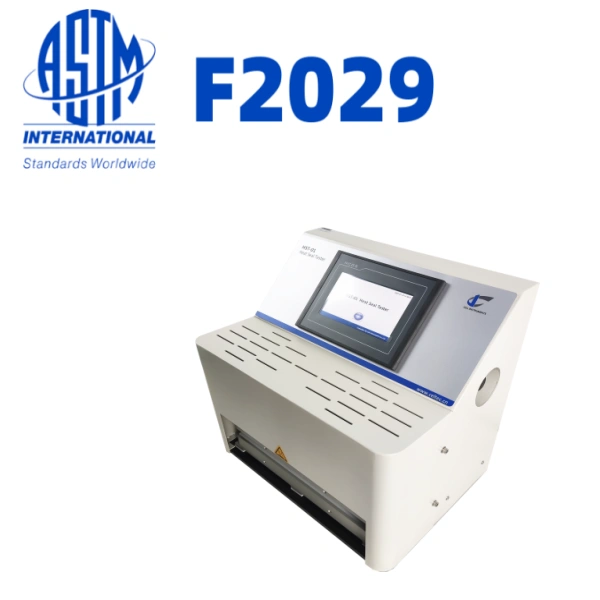
ASTM F2029: Understanding the Standards for Heat Sealing
ASTM F2029 outlines the standard practices for making laboratory heat seals and evaluating the heat sealability of flexible barrier materials, as measured by seal strength. These practices are intended to guide laboratory procedures, helping manufacturers assess the performance of flexible packaging materials. While the practice doesn’t directly cover hot tack testing (which is covered by ASTM F1921), it remains a key reference for those seeking to understand and meet the standards for heat seal integrity.
The guidelines set by ASTM F2029 focus on preparing heat seals using hot-bar or impulse sealing methods. These methods allow for precise control over the temperature, dwell time, and sealing pressure, all of which are critical factors that influence the quality of the seal. By following ASTM F2029, manufacturers can ensure that their heat sealing processes are optimized for both performance and compliance.
Heat Seal Tester and Its Role in Quality Control
A heat seal tester is used to assess the strength and durability of seals formed in packaging materials, such as wrap films. The tester typically works by applying a controlled amount of heat and pressure to create a seal in the sample. The test evaluates how well the seal holds up under various conditions, providing valuable insights into material performance.
The heat seal tester operates by measuring the force required to break the seal, simulating the stresses the packaging might face during shipping, handling, and storage. A strong seal is crucial for maintaining the integrity of the package, ensuring the contents are protected from contamination, tampering, or degradation. The heat seal tester helps identify any weaknesses in the seal, allowing manufacturers to adjust their processes to improve packaging quality.
Heat Seal Integrity Testing and Material Analysis
Heat seal integrity testing evaluates the uniformity, strength, and reliability of the seals formed during the packaging process. It is especially vital in industries where product safety is paramount, such as food and pharmaceuticals.
By assessing the integrity of the seals, manufacturers can detect potential failure points, such as:
- Inconsistent heat distribution across the seal
- Weak spots due to improper pressure application
- Contamination or defects in the sealing area
Using heat seal testers equipped with precise control mechanisms, manufacturers can ensure that each seal meets the necessary strength requirements and remains intact under stress.
Wrap Film Test: Understanding the Process and Importance
De wrap film test evaluates the performance of the seal in various wrap films used for packaging products. The wrap film is subjected to controlled heat sealing conditions to form a strong, reliable seal that is critical for packaging integrity. The test includes several factors such as the material’s heat tolerance, pressure sensitivity, and resistance to tearing or puncturing.
To properly evaluate wrap film, it’s essential to consider both the afdichtingssterkte and the material’s overall resistance to external pressures. The wrap film test simulates the conditions the packaging will encounter during its lifecycle, from manufacturing to distribution and retail display. The goal is to ensure that the wrap film can withstand typical handling and environmental conditions without compromising the product’s safety.
Conclusion: Why Heat Sealing Tests Matter
De heat sealing test of wrap film is a crucial aspect of ensuring packaging integrity. With standards like ASTM F2029 guiding the process, manufacturers can reliably assess the heat sealability of flexible materials and optimize their packaging processes. Whether for food, pharmaceuticals, or medical devices, strong, reliable seals protect the product from contaminants, ensuring safety and consumer confidence.
By utilizing a heat seal tester and conducting thorough heat seal integrity testing, manufacturers can maintain high standards of quality control and meet regulatory requirements. This process not only enhances packaging durability but also contributes to the overall success and compliance of the packaged product in the marketplace.
For those seeking to improve their packaging testing procedures, Cell Instruments offers cutting-edge heat seal testing solutions, ensuring consistent and reliable results for various industries.
This comprehensive approach to heat sealing testing strengthens quality assurance practices, ensuring that packaging materials perform as expected under real-world conditions.

 Български
  Čeština
  Dansk
Dansk  Ελληνικά
  Eesti
Eesti  Suomi
Suomi  Magyar
  Bahasa Indonesia
  Lietuvių kalba
  Latviešu valoda
  Norsk bokmål
  Polski
  Română
  Slovenčina
  Slovenščina
  Svenska
  Türkçe
  Українська