


O ensaio de resistência à tração de plástico é crucial para determinar a durabilidade e a resistência de vários materiais plásticos utilizados em embalagens. Este teste fornece dados valiosos sobre a força necessária para esticar ou partir materiais plásticos, garantindo a sua adequação a aplicações reais. O ensaio de alongamento é uma parte essencial da avaliação da flexibilidade e da capacidade de estiramento dos materiais de embalagem, tornando-a crítica para indústrias como as embalagens de alimentos, produtos farmacêuticos e muito mais.
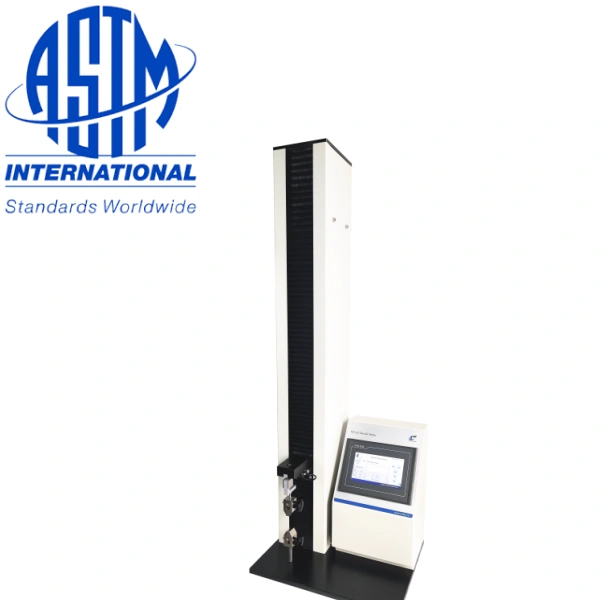
Teste de alongamento para materiais de embalagem
Os ensaios de alongamento desempenham um papel importante na determinação do comportamento dos materiais plásticos sob tensão. Alongamento na rutura mede o grau em que um material pode esticar antes de se partir. É especialmente vital para materiais como Película extensível fundida e Envolvimento de paletes, que têm de resistir ao estiramento e à pressão durante o transporte e o manuseamento.
O teste de alongamento ajuda os fabricantes a avaliar se o material manterá a sua integridade ou se rasgará sob tensão. ASTM D882, o método de ensaio normalizado para propriedades de tração de folhas de plástico finas, fornece a estrutura para a realização deste teste. Ao efetuar o teste de alongamento, os fabricantes podem determinar a capacidade do material para esticar sem quebrar, assegurando que o produto final cumpre as especificações desejadas.
ASTM D882: Norma para o ensaio de resistência à tração
ASTM D882 é a norma mais amplamente aceite para ensaio de resistência à tração de plásticos. Este método abrange a determinação das propriedades de tração de materiais plásticos finos, incluindo a sua resistência, alongamento e módulo. A norma define como os espécimes devem ser preparados, como o teste deve ser conduzido e como relatar os resultados.
No ASTM D882 No teste de resistência, as amostras de plástico são carregadas numa máquina de ensaios mecânicos que aplica tensão até o material se partir. A força necessária para quebrar o material e a quantidade de alongamento antes da falha do material são registadas. Estes dados são cruciais para compreender o comportamento mecânico de películas plásticas, folhas e outros materiais plásticos finos.
Ensaio de película estirável fundida e de película para paletes
Película extensível fundida e Envolvimento de paletes são amplamente utilizados em aplicações de embalagem, particularmente no transporte de mercadorias. Estes materiais devem ser suficientemente duráveis para resistir a perfurações, rasgões e outras formas de danos enquanto são esticados durante o processo de embalagem.
O ensaio de resistência à tração de plástico para estes materiais envolve a medição da força necessária para esticar o material antes de este se partir. Adicionalmente, ensaio de alongamento é essencial para compreender a capacidade do material de se esticar e de se adaptar a formas irregulares sem perder a sua resistência.
Os resultados dos testes fornecem informações valiosas sobre o desempenho do material, garantindo que este cumpre as normas necessárias para a eficiência e durabilidade da embalagem. Ao avaliar a resistência à tração e o alongamento, os fabricantes podem otimizar os seus materiais de embalagem para uma melhor proteção durante o transporte e o armazenamento.
Importância do teste de resistência à tração de plástico no controlo de qualidade
Para os fabricantes de materiais de embalagem como Película extensível fundida e Envolvimento de paletes, o ensaio de resistência à tração de plástico é uma parte essencial da garantia de qualidade. O teste assegura que os materiais utilizados na embalagem cumprem os critérios de desempenho necessários, tais como a resistência ao estiramento, à rutura e ao rasgamento sob tensão.
O ensaio de alongamento também fornece informações sobre a flexibilidade do material, garantindo que este pode ser manipulado durante o processo de embalagem sem comprometer a sua integridade estrutural. Testes consistentes utilizando normas como ASTM D882 garante que os materiais terão o desempenho esperado, fornecendo soluções de embalagem fiáveis e eficientes.
Conclusão
O ensaio de resistência à tração de plástico e ensaio de alongamento são parte integrante do desenvolvimento e do controlo de qualidade dos materiais de embalagem. Ao seguir ASTM D882 os fabricantes podem garantir que materiais como Película extensível fundida e Envolvimento de paletes Os materiais de embalagem são testados para que cumpram as caraterísticas de desempenho necessárias em termos de durabilidade, flexibilidade e resistência. Estes testes não só ajudam a otimizar os materiais de embalagem, como também garantem o seu bom desempenho sob as exigências da utilização no mundo real, proporcionando uma maior proteção dos produtos durante o transporte e o armazenamento.
Para testes precisos e fiáveis, as empresas podem confiar em equipamento de teste avançado como o Testador de tração Cell Instruments, que foi concebido para fornecer medições precisas da resistência à tração e do alongamento, garantindo a mais elevada qualidade dos materiais de embalagem.

 Bulgarian
  Czech
Czech  Danish
  Greek
Greek  Estonian
  Finnish
  Hungarian
  Indonesian
  Lithuanian
  Latvian
  Norwegian
  Dutch
Dutch  Polish
  Romanian
  Slovak
  Slovenian
  Swedish
  Turkish
  Ukrainian
  Hebrew
  Thai
Thai  Vietnamese
  Afrikaans
  Amharic
  Moroccan Arabic
  Azerbaijani
  Belarusian
  Bengali
  Bosnian
  Welsh
Welsh  Persian
  Gujarati
  Hindi
Hindi  Croatian
  Armenian
  Kazakh
  Uzbek
Uzbek  Serbian
  Albanian