


The Rezistența la tracțiune a învelișului retractabil este esențial pentru evaluarea durabilității și fiabilității materialelor de folie retractabilă utilizate în ambalare. Acest test măsoară forța necesară pentru ruperea sau întinderea materialului, asigurându-se că acesta poate rezista stresului mecanic în timpul manipulării, transportului și depozitării. Prin înțelegerea proprietăților de tracțiune ale foliilor termocontractabile, producătorii pot îmbunătăți calitatea ambalajelor lor, asigurându-se că acestea rămân intacte și protectoare în diferite condiții.
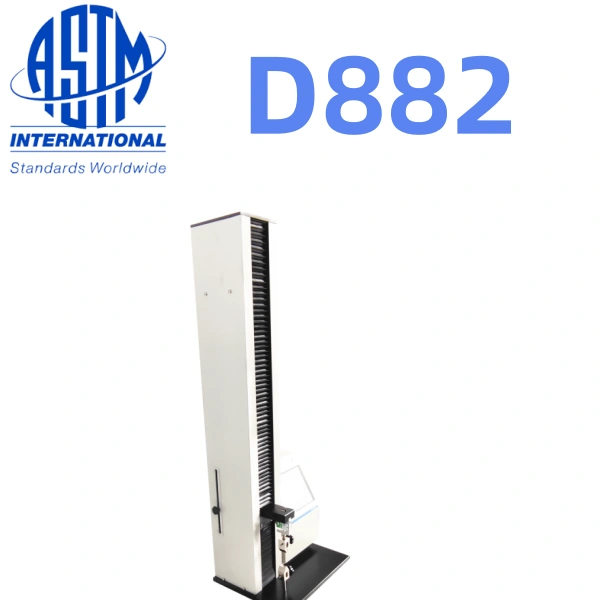
ASTM D882 și aplicarea sa în testarea la tracțiune a învelișului retractabil
ASTM D882 este metoda de testare standard pentru măsurarea proprietăților la tracțiune ale foliilor subțiri de plastic. Acest test evaluează modul în care materialele, cum ar fi folia retractabilă, răspund la solicitările mecanice și este esențial pentru determinarea adecvării lor pentru aplicații de ambalare. Metoda presupune aplicarea unei cantități controlate de forță asupra unui specimen și măsurarea răspunsului acestuia în termeni de alungire și rezistență la tracțiune.
The rezistență la tracțiune este unul dintre cei mai importanți factori în determinarea performanței ambalajului. Prin respectarea ASTM D882, producătorii pot obține date fiabile cu privire la rezistența materialului, care este esențială pentru a se asigura că folia contractibilă poate rezista ruperii, perforării sau altor forme de deteriorare pe parcursul ciclului său de viață.
Testul de alungire și testul de rezistență la tracțiune pentru materialele de folie retractabilă
The test de alungire şi test de rezistență la tracțiune sunt teste strâns legate între ele, care furnizează informații valoroase privind flexibilitatea și rezistența foliei contractibile. În cadrul testului de alungire, materialul este întins până când atinge punctul de rupere, iar tensiunea maximă este măsurată. Acest lucru oferă o indicație a capacității foliei contractibile de a se întinde sub tensiune fără a ceda, ceea ce este esențial pentru a se asigura că se conformează formei ambalajului fără a se rupe.
The test de rezistență la tracțiune măsoară forța necesară pentru a rupe materialul. Acesta furnizează date privind tensiunea maximă la care materialul poate rezista înainte de a ceda. În cazul ambalajului termocontractabil, acest test asigură că materialul este suficient de rezistent pentru a proteja conținutul ambalajului și pentru a rezista la solicitările pe care le va întâmpina în timpul transportului și depozitării.
Testarea învelișului retractabil cu ASTM D882: Dimensiuni specimen
Pentru o testare precisă în conformitate cu ASTM D882, dimensiunile epruvetelor sunt esențiale. Standardul specifică faptul că epruvetele de testare trebuie să fie uniforme în ceea ce privește grosimea și dimensiunea. De obicei, epruvetele pentru încercarea la tracțiune trebuie să aibă o lungime de cel puțin 50 mm, cu o lățime nominală între 5 mm și 25 mm. Este esențial să se asigure că epruveta este lipsită de defecte, cum ar fi găuri sau riduri, deoarece acestea pot afecta rezultatele încercării.
Dimensiunile epruvetei au un impact direct asupra rezultatului testului, iar măsurătorile precise sunt necesare pentru a obține rezultate coerente și fiabile. De asemenea, este important să rețineți că grosimea epruvetei trebuie să fie uniformă, deoarece variațiile în grosime pot distorsiona datele privind rezistența la tracțiune.
Rolul echipamentelor de testare la tracțiune în evaluarea ambalajelor retractabile
Pentru a efectua test de rezistență la tracțiune pentru folie retractabilă, a mașină de testare la tracțiune este necesar. Acest echipament este conceput pentru a aplica o forță controlată specimenului, a măsura răspunsul acestuia și a înregistra date precum alungirea, tensiunea și rezistența la tracțiune. Echipamentul tester de tracțiune utilizate pentru aceste teste trebuie să fie capabile să măsoare cu exactitate forța și alungirea, cu o precizie care să asigure rezultate coerente și fiabile.
Tester de tracțiune Cell Instruments oferă o soluție specializată pentru testarea foliilor termocontractabile și a altor materiale de ambalare. Prin utilizarea acestui echipament, producătorii se pot asigura că folia lor retractabilă îndeplinește standardele necesare de rezistență și durabilitate, ceea ce duce în final la o mai bună protecție a produselor.
De ce este importantă testarea rezistenței la tracțiune a învelișului retractabil pentru ambalare
Testarea rezistența la tracțiune a foliei contractibile este esențială pentru a determina cât de bine va funcționa materialul în condiții reale. Folia contractibilă este adesea utilizată pentru a proteja produsele de factorii de mediu, cum ar fi umiditatea, praful și deteriorările fizice. Asigurându-se că materialul are suficientă rezistență la tracțiune, producătorii pot garanta că ambalajul lor va oferi protecția necesară.
În plus, test de rezistență la tracțiune ajută producătorii să optimizeze designul și proprietățile materialelor pentru a îmbunătăți performanța ambalajului. Prin testarea diverselor materiale, producătorii pot selecta cel mai bun ambalaj termocontractibil pentru a răspunde nevoilor lor specifice de ambalare.
Concluzie
The Rezistența la tracțiune a învelișului retractabil testarea este o parte integrantă a asigurării calității și durabilității materialelor de ambalare. Prin urmărirea ASTM D882 și efectuarea teste de alungire şi teste de rezistență la tracțiune, producătorii se pot asigura că folia lor retractabilă oferă protecția și rezistența necesare pentru aplicațiile de ambalare. Acest proces de testare este esențial pentru a se asigura că folia termocontractabilă îndeplinește standardele industriei și funcționează optim în timpul manipulării, transportului și depozitării.
Cu echipamente de testare precise precum Tester de tracțiune Cell Instruments, producătorii pot efectua teste precise și de încredere pe materialele de împachetare, optimizându-și soluțiile de ambalare pentru o mai bună protecție a produselor.

 Bulgarian
  Czech
Czech  Danish
  Greek
Greek  Estonian
  Finnish
  Hungarian
  Indonesian
  Lithuanian
  Latvian
  Norwegian
  Dutch
Dutch  Polish
  Slovak
  Slovenian
  Swedish
  Turkish
  Ukrainian
  Hebrew
  Thai
Thai  Vietnamese
  Afrikaans
  Amharic
  Moroccan Arabic
  Azerbaijani
  Belarusian
  Bengali
  Bosnian
  Welsh
Welsh  Persian
  Gujarati
  Hindi
Hindi  Croatian
  Armenian
  Kazakh
  Uzbek
Uzbek  Serbian
  Albanian